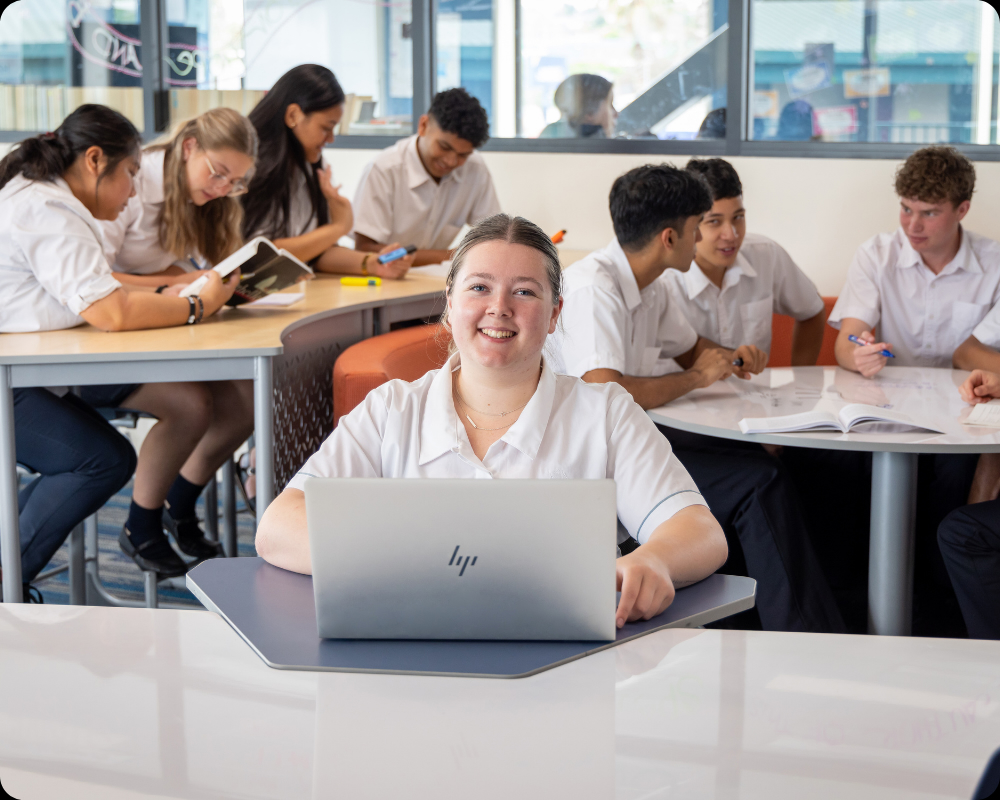
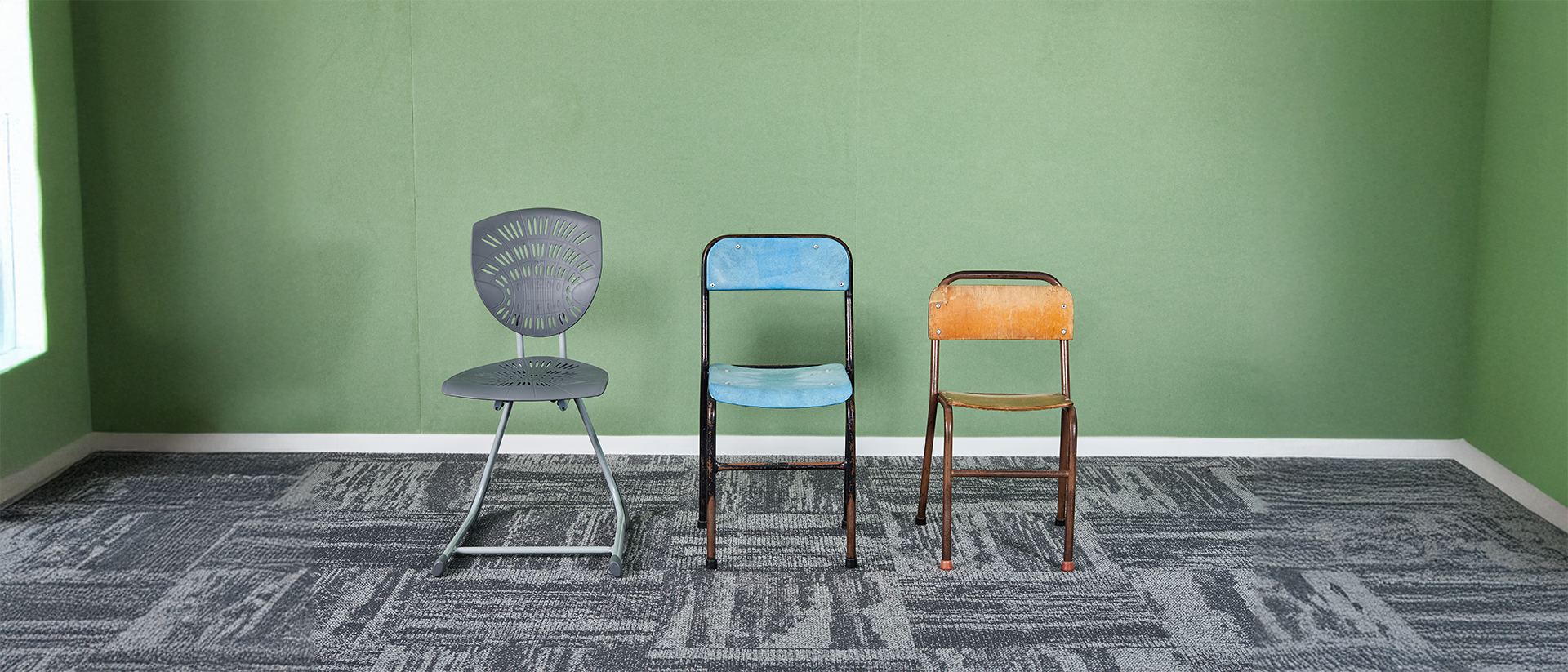
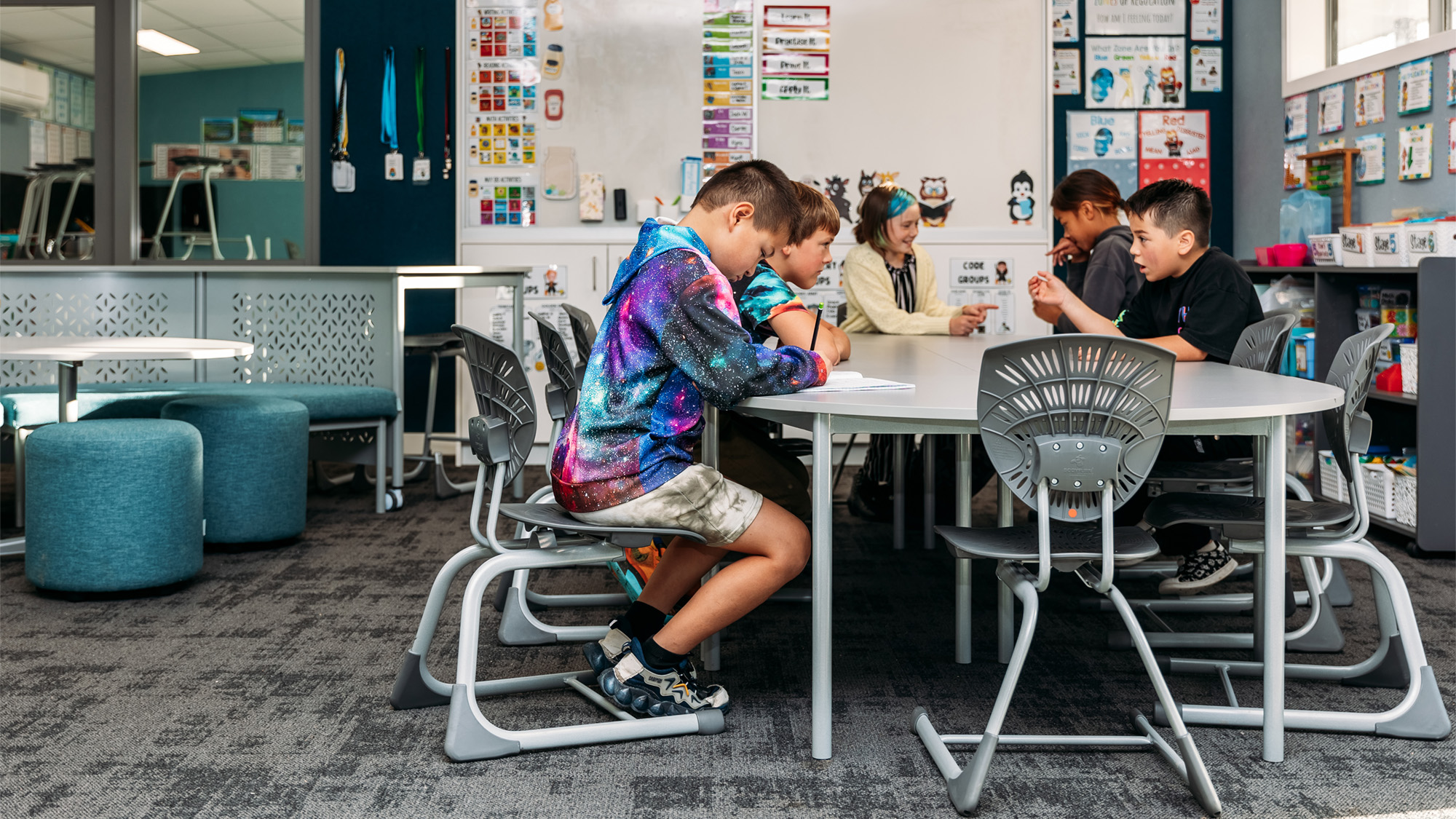
Students don’t sit still to learn.
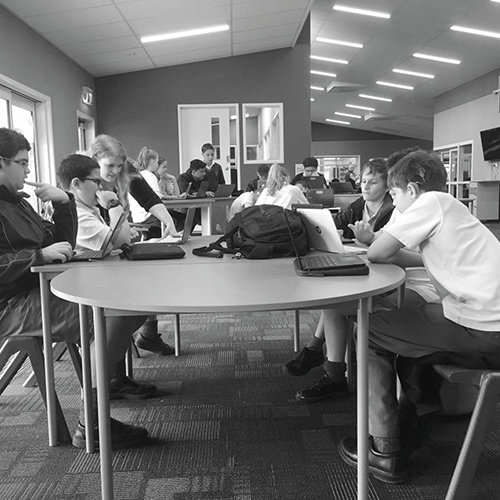
They lean in, turn, shift, stretch and resettle depending on what they’re doing. Understanding those behaviours, and what furniture can do to support them, has shaped the way Furnware thinks about educational furniture.
We’ve spent nearly 20 years observing, researching and learning from real classrooms. And the more we learn, the more questions we ask.
Because better furniture starts with understanding the people using it.
In 2006, Furnware began working with the University of Waikato to explore how students sit, move and behave in the classroom.
That first study was exploratory. Its findings were tentative, but it opened the door to a much longer research journey.
Further University of Waikato research followed in 2021 and 2025, including doctoral research that looked more deeply at students, movement and classroom seating.
Each study added to our understanding. And each one helped shape the way we think about furniture for learning.
Our research builds on top of a long history of making furniture for schools.
Furnware’s roots go back to 1934, when the business began making furniture in Hawke’s Bay. By the 1950s, school furniture had become part of what we made.
In 1993, Furnware came under its current ownership and began a new chapter, with education becoming an increasingly important focus.
That experience gave us a practical understanding of what school furniture needs to withstand. Research helped us look more closely at what it needs to do for the students and teachers using it.
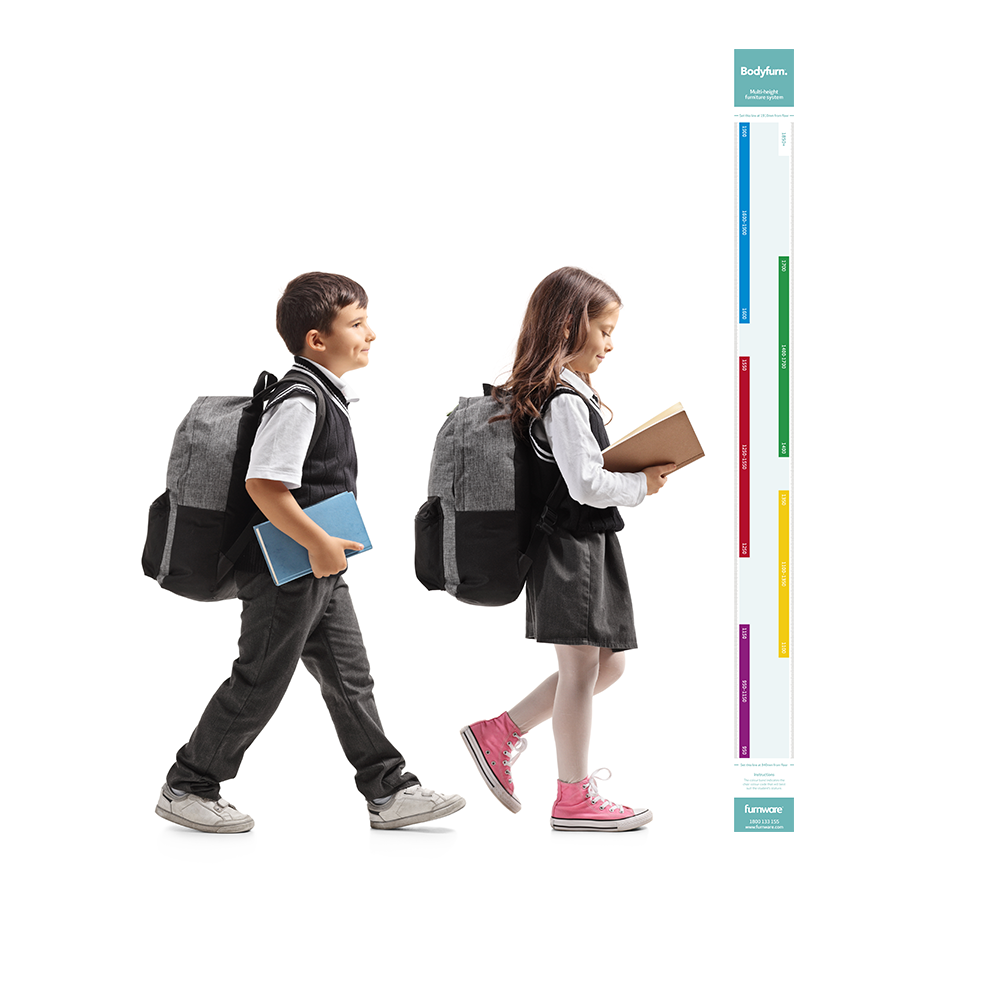
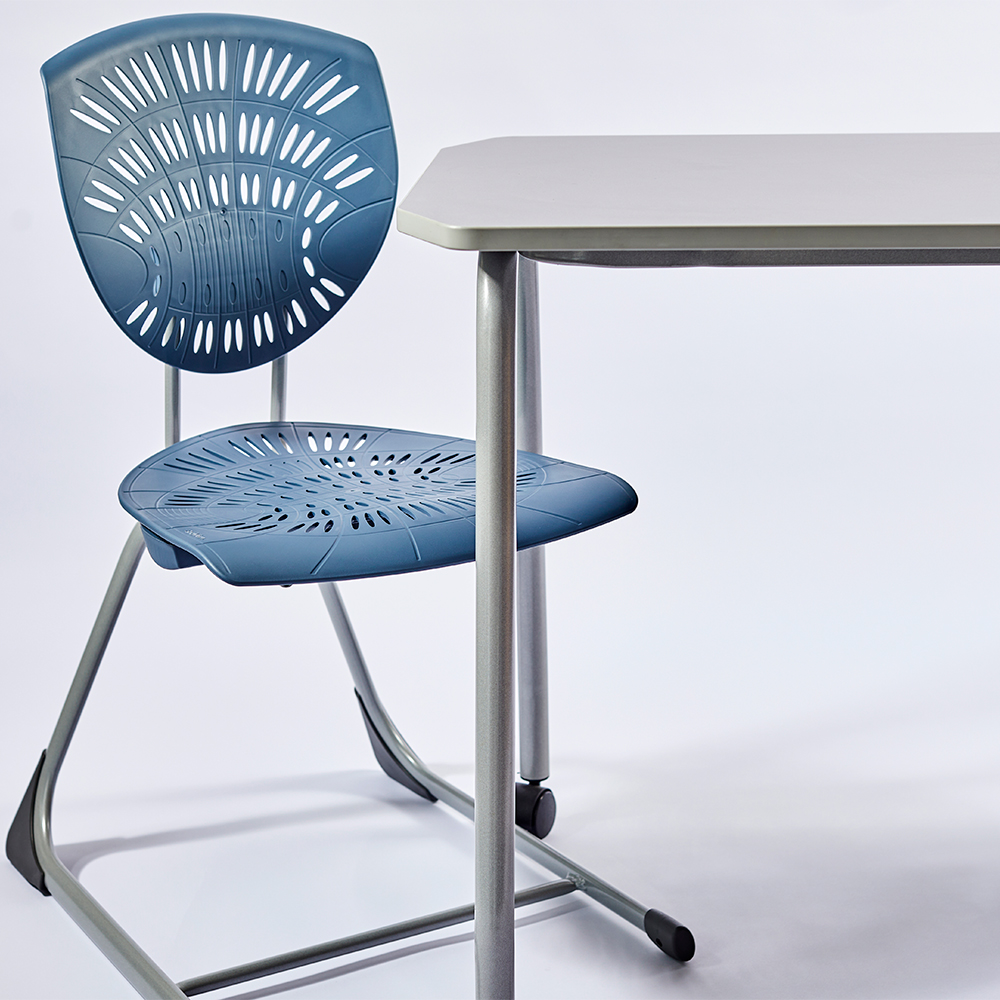
Bodyfurn® grew from that focus on students, movement and classroom behaviour.
Designed to support natural movement and changing postures throughout the school day, Bodyfurn reflects an approach that continues to guide our design today.
And as our understanding has grown, Bodyfurn has continued to evolve.
Research gave us more than findings. It gave us a way of working.
We observe what happens in real classrooms. We listen to students and educators. We test our thinking. We learn from what we find. Then we take that knowledge back into design.
Education keeps changing, so we keep learning too.
Because the more we understand about how students learn, the better informed our furniture can be.
Our design and manufacturing base remains in Hawke’s Bay, bringing together decades of furniture-making experience with education research, product development and classroom insight.
Today, Furnware works with schools across New Zealand and Australia, as well as international schools and education projects around the world.
Every learning environment is different. Our approach stays consistent: understand the space, understand the people using it, then design around what we learn.
The question behind our research is simple:
How are students really using their learning environment, and what can we learn from it?
So we keep observing. We keep asking questions. We keep learning.
And we design from there.
"*" indicates required fields