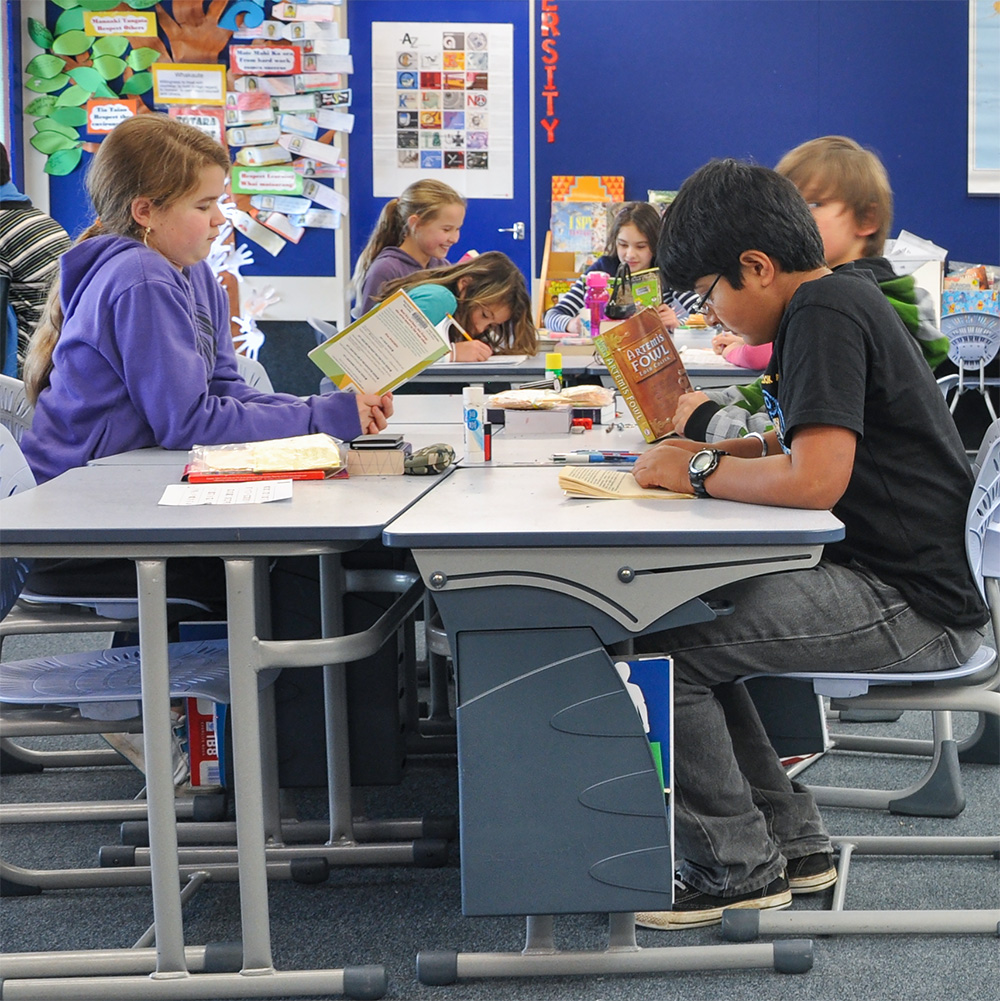
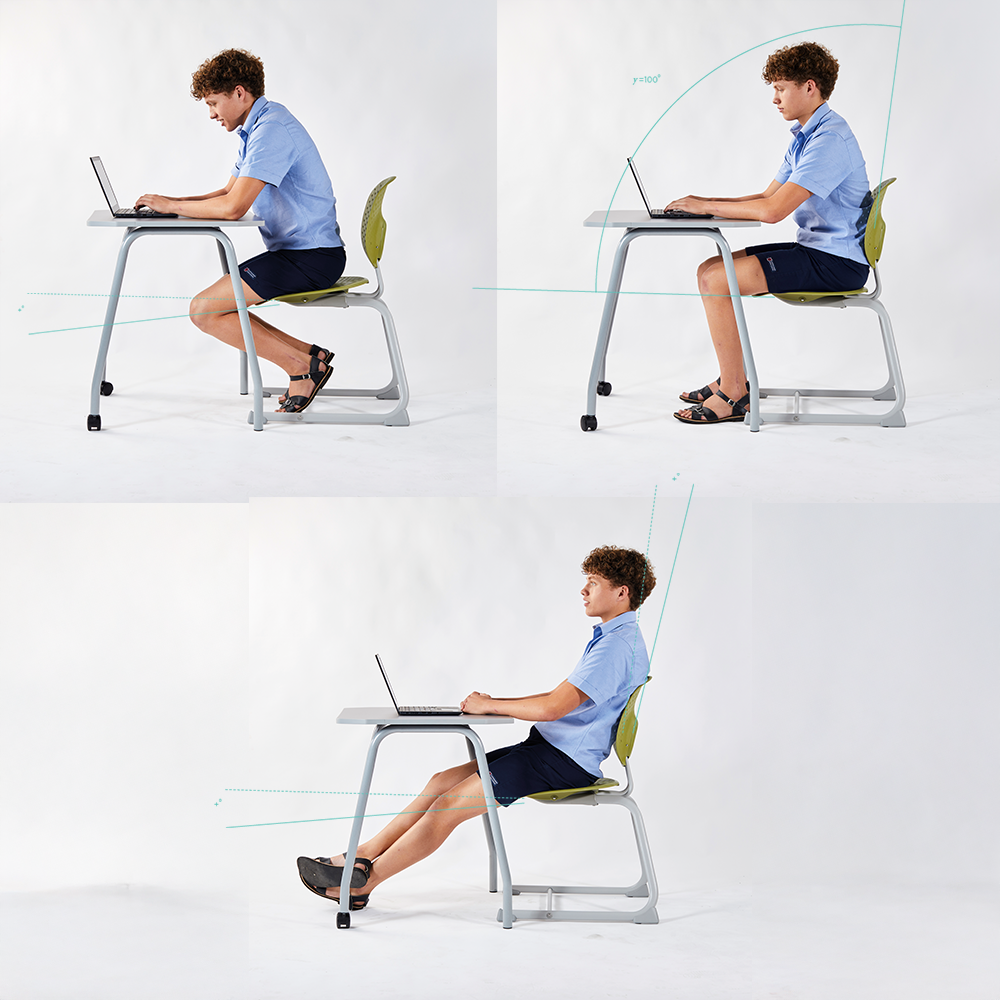
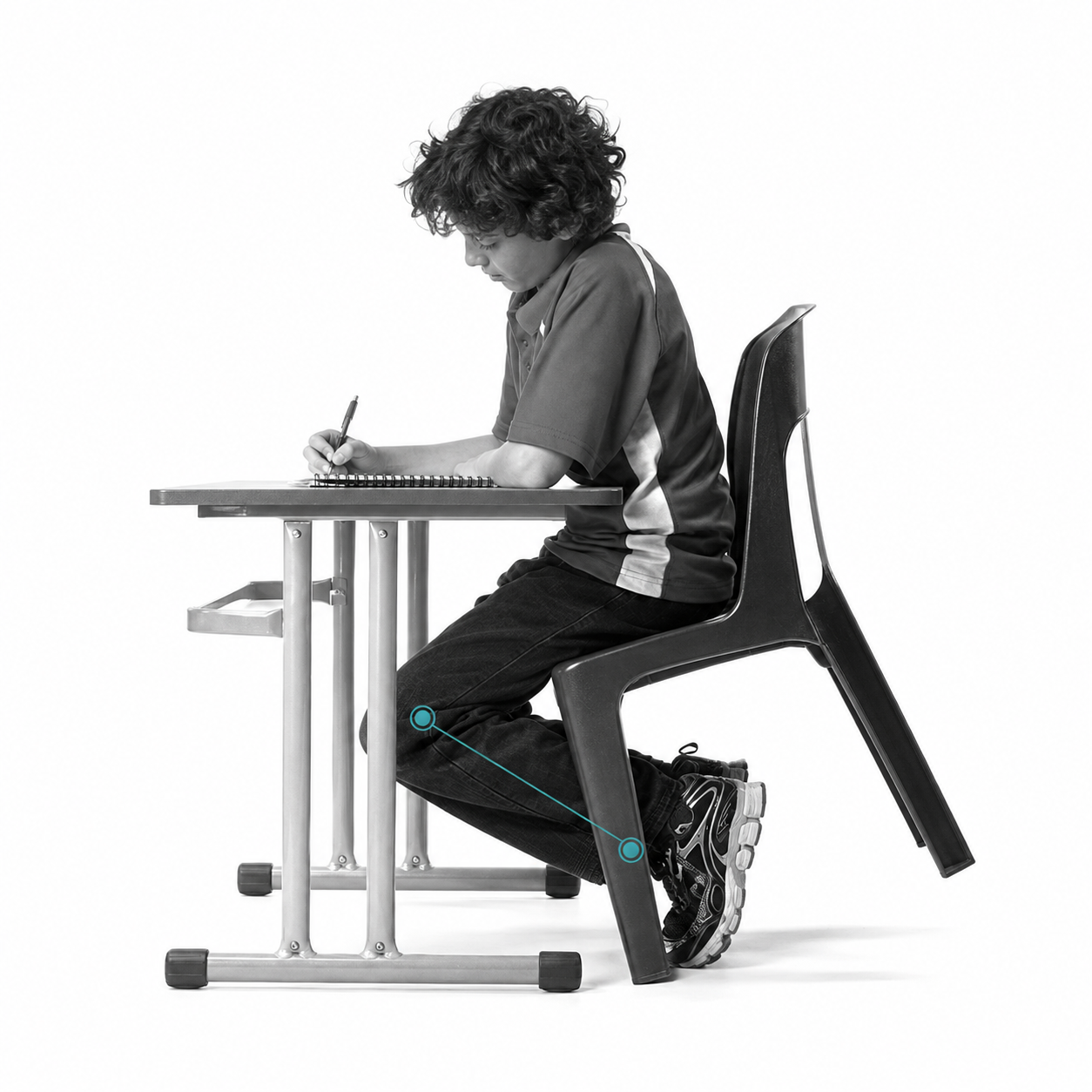
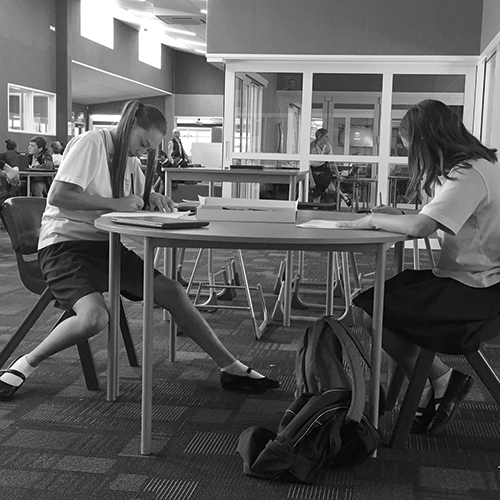
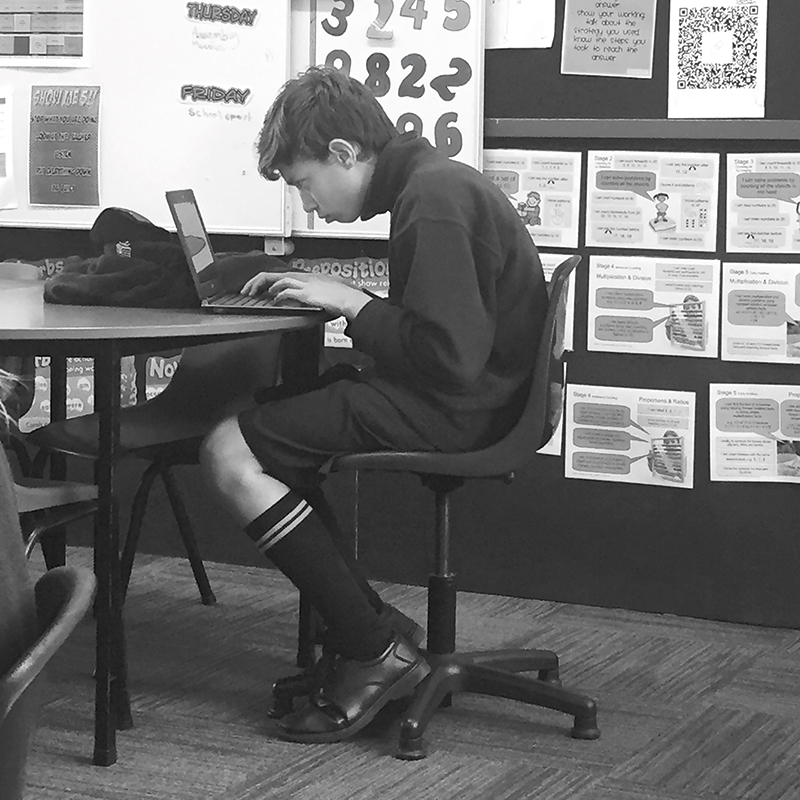
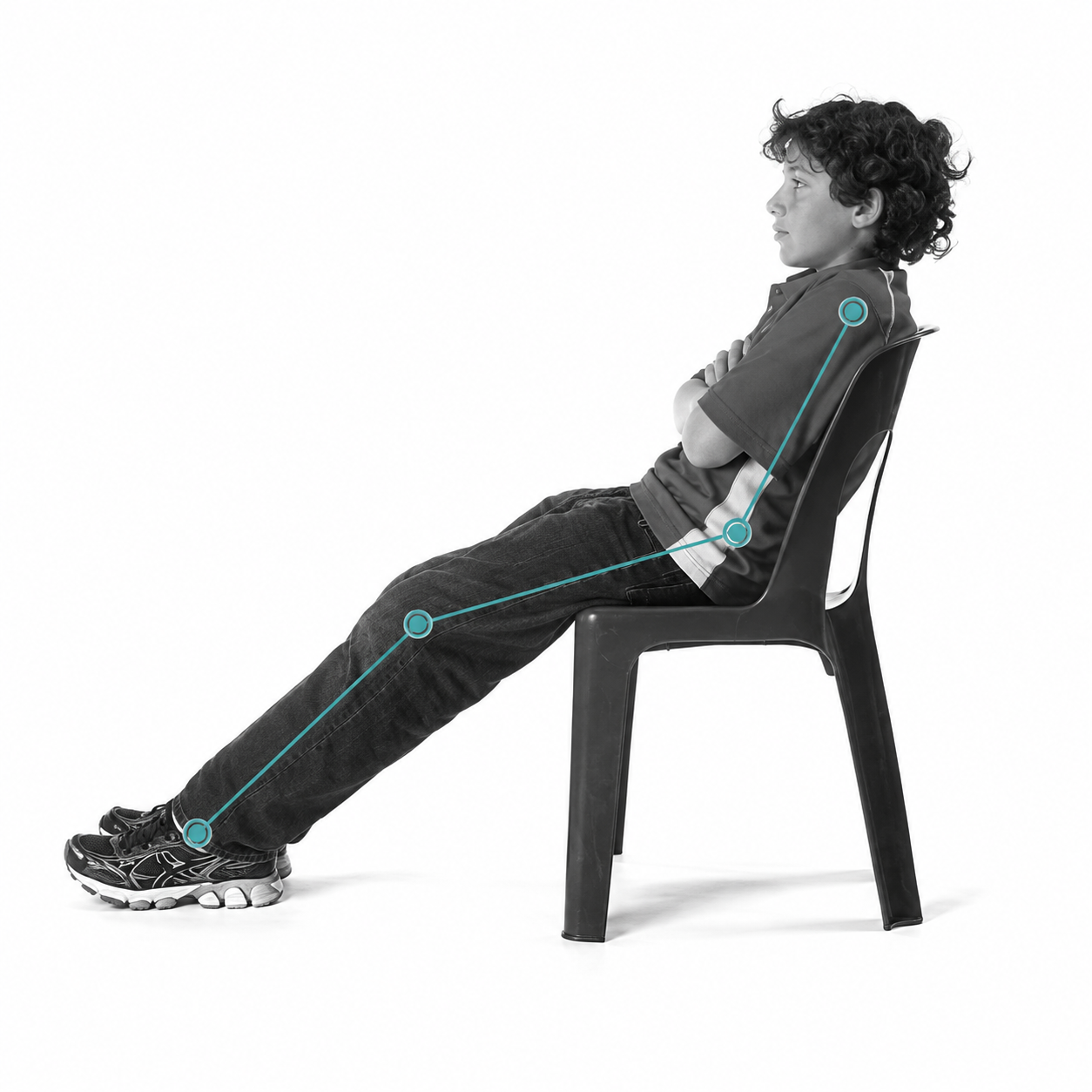
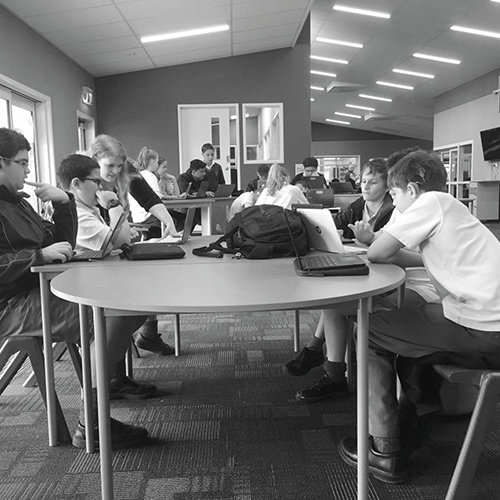
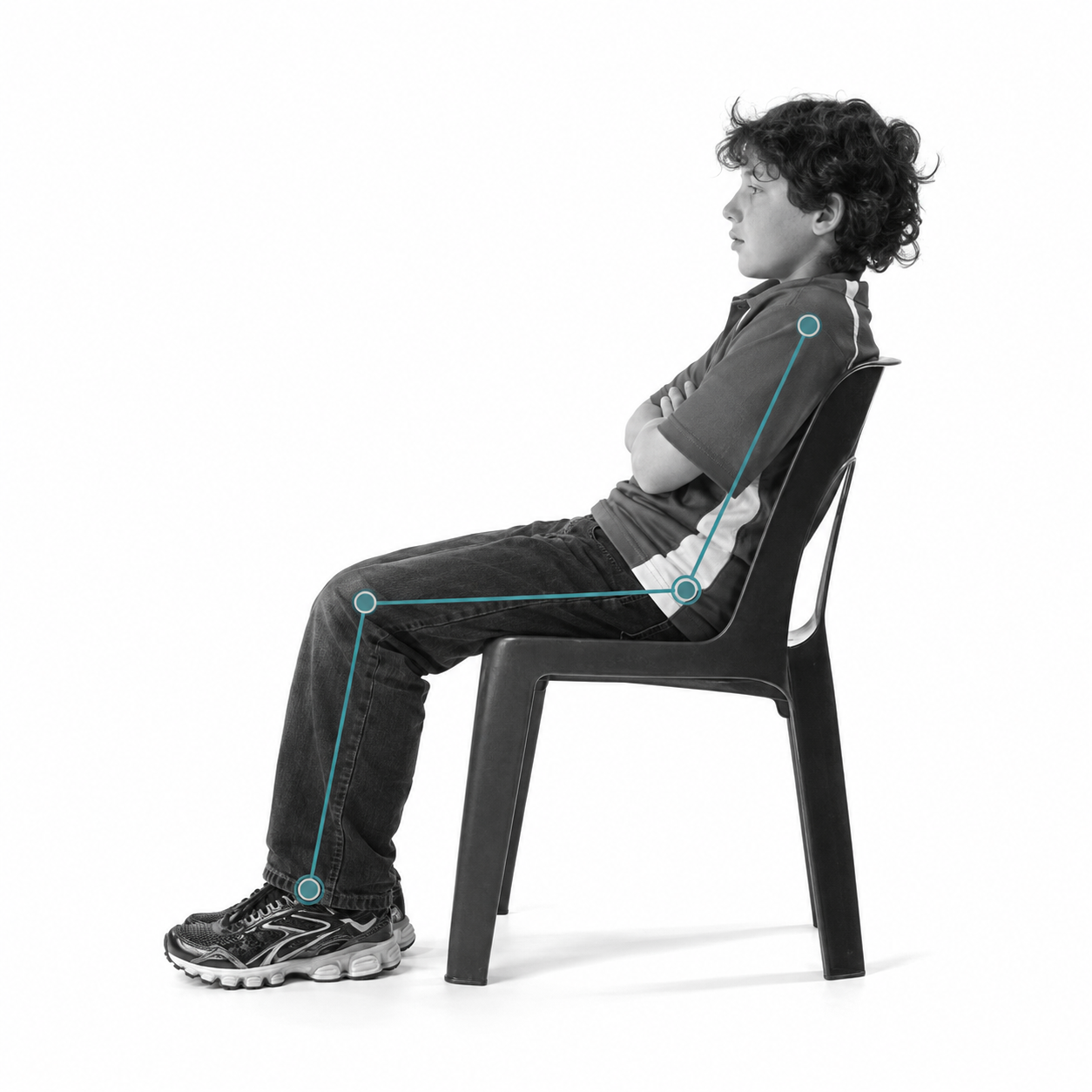
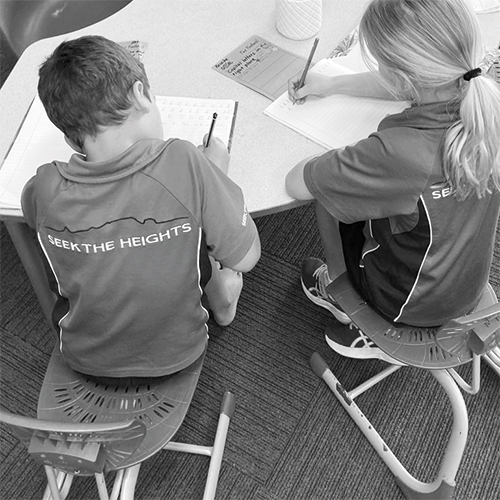
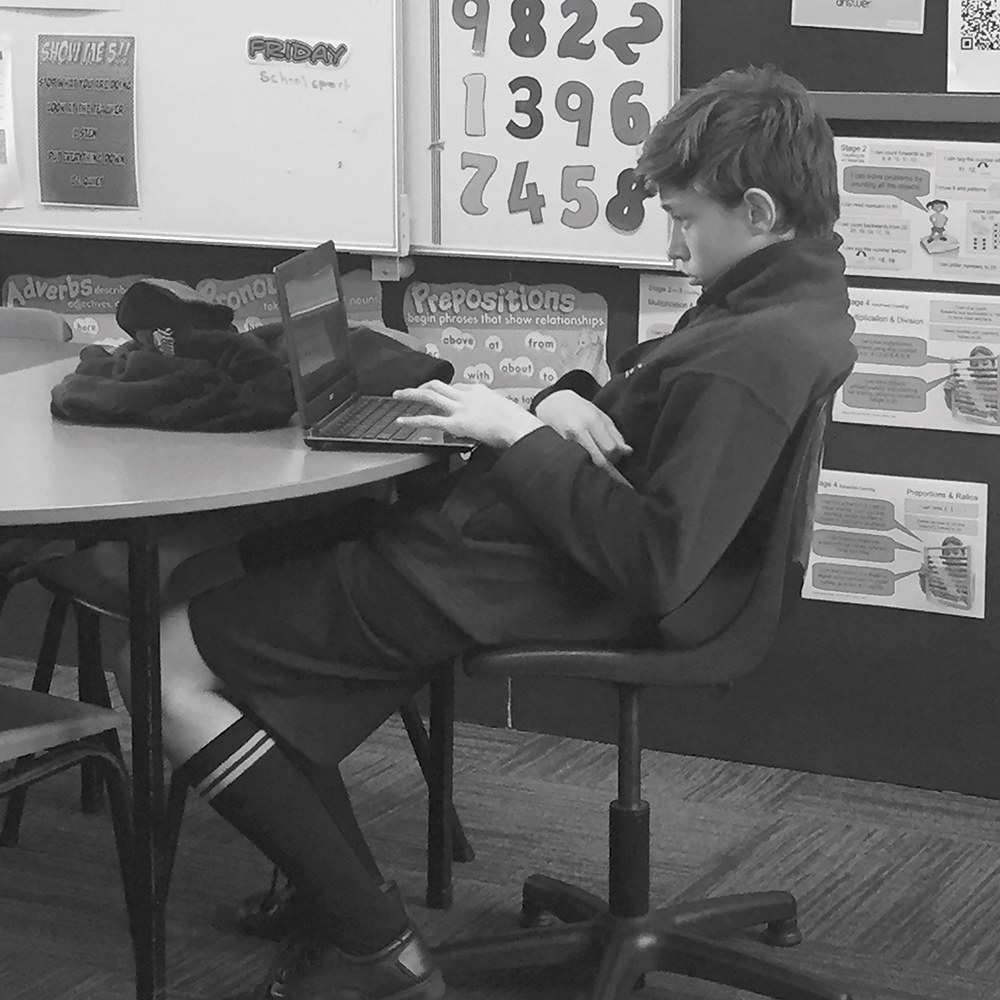
Students don’t sit still to learn.
Understanding what that movement means, and how classroom furniture can better support it, has been the subject of Furnware research for two decades.
From early University of Waikato classroom observations to a completed master’s study and current doctoral research in Psychology, each stage has helped us ask better questions about movement, comfort and behaviour in the classroom.
The latest findings are currently undergoing peer review. And we’re still asking questions.
Our research story isn’t based on one study or one moment.
It has developed over time, moving from observation to experimental research, and from looking at how much students move to understanding the difference between natural movement and movement that disrupts learning.
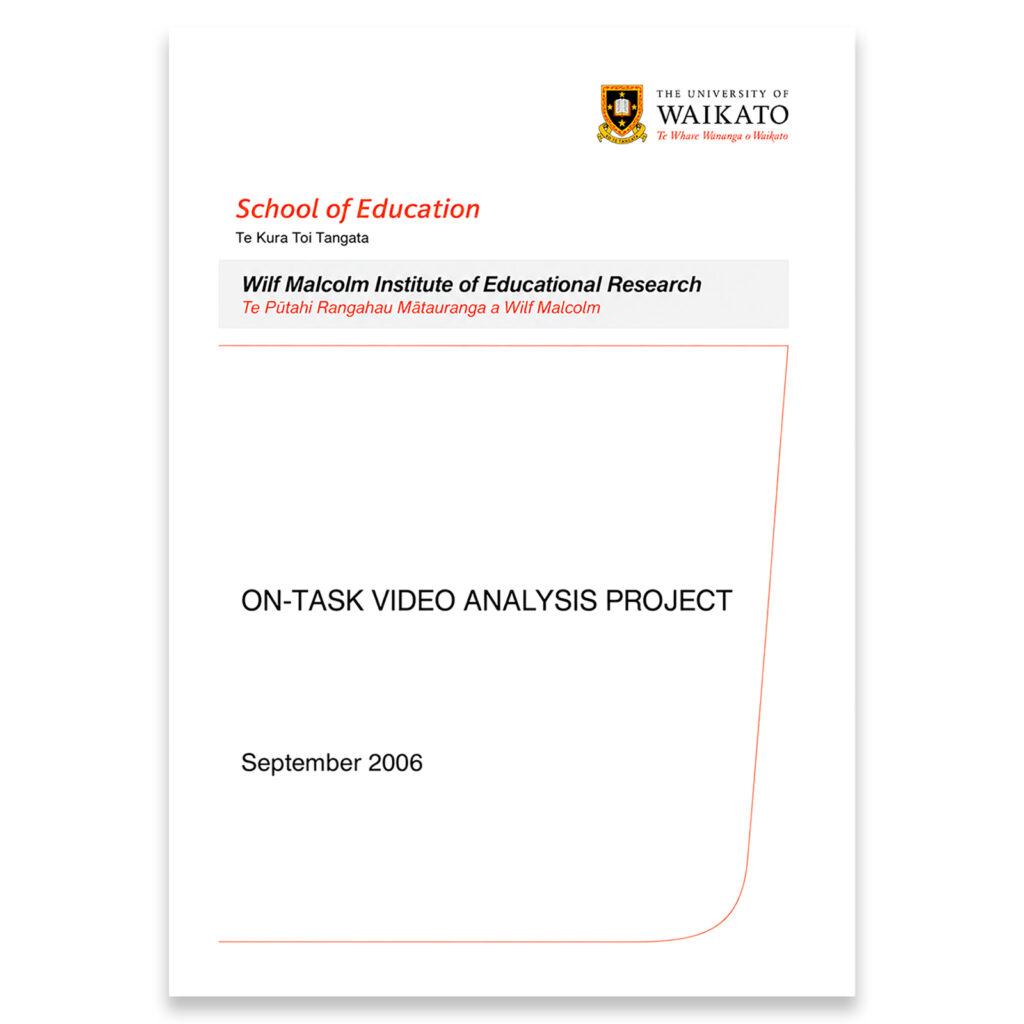
The Wilf Malcolm Institute of Educational Research at the University of Waikato conducted an exploratory video study comparing students using Bodyfurn with their existing classroom furniture.
Eleven one-hour classroom observations across Years 9, 11 and 12 were analysed for behaviours including movement, fidgeting, comfortable sitting and on-task activity.
The study found some potentially useful patterns, but also mixed results. Different students, activities and camera positions made direct comparison difficult, and the researchers concluded that the findings were tentative rather than conclusive.
For Furnware, its value was as a starting point. It showed how much there was still to understand about the relationship between seating, movement and classroom behaviour.
The study analysed video-recorded lessons across Years 9, 11 and 12, coding behaviours such as leaning, moving, turning, fidgeting, comfortable sitting, classroom activity and on-task behaviour.
The report states that the methods contained too many variables for conclusive analysis. Camera angles differed, the number of visible students varied, and students were not completing the same activities in both furniture conditions. Some Bodyfurn sessions also showed substantial off-task behaviour. We therefore treat this study as exploratory work that helped shape later research, rather than evidence of a proven Bodyfurn effect.
In 2021, University of Waikato researcher Isaac Martin experimentally evaluated Bodyfurn chairs and student behaviour as part of his master’s thesis.
The study followed three groups of five primary students. Bodyfurn chairs were introduced after baseline observations using regular classroom chairs.
Two of the three groups showed noticeable increases in on-task behaviour after Bodyfurn was introduced, while disruptive behaviour decreased across all three groups. Thirteen of the 15 students said they preferred Bodyfurn, citing comfort, easier position changes and, for some, reduced back pain.
The study was small, relatively short, and conducted in breakout rooms with groups of five rather than a typical full classroom. Its findings were promising, but their generalisability was limited.
They also created a clear next question: would the effect hold up under more rigorous research in everyday classroom settings?
The study involved 15 students aged nine to 11 from one Bay of Plenty primary school. Students were divided into three groups of five, with each group taking part in 25-minute lessons covering mathematics, writing or reading.
The researchers used a multiple-baseline design. Each group began with the regular classroom chairs, before Bodyfurn chairs were introduced at different stages. Student behaviour was observed throughout the lessons to identify whether changes occurred when the seating changed.
Researchers recorded on-task behaviour at regular intervals and counted instances of disruptive behaviour during each lesson.
Students and teachers were also asked about their experience of the chairs, including comfort, ease of changing position and whether the seating supported their learning or teaching.
The study was small and involved students from one school who were selected with input from teaching staff. It was conducted in breakout rooms with groups of five, rather than in a typical full classroom, and Bodyfurn was compared with only one type of regular classroom chair.
These factors limit how widely the findings can be generalised. The study also measured classroom behaviour rather than academic results, so it does not establish that Bodyfurn improves academic achievement.
Isaac Martin’s doctoral research moved the investigation into more rigorous classroom studies of Bodyfurn.Flex. The research asked not only whether students moved, but how they moved, what happened to their behaviour, and what students themselves thought about the chairs.
The findings below are drawn from Isaac Martin’s PhD thesis, which is available to download on this page. A paper presenting findings from the research is currently under peer review and has not yet been published in a journal.
Study 1 recorded significant increases in on-task behaviour when students used Bodyfurn.Flex.
It also recorded lower mean disruptive behaviour, including sizeable reductions in chair tipping and out-of-seat behaviour. The reduction in disruptive behaviour reached statistical significance in one of the two groups.
Students moved more while seated in Bodyfurn.Flex.
In-chair and overall movement increased in both groups, with the strongest statistically significant change recorded in one group.
Further analysis found that more frequent in-chair movement was positively associated with on-task behaviour and negatively associated with chair tipping and out-of-seat behaviour.
These findings suggest that movement itself is not necessarily the problem. Students naturally shift, lean and adjust as they work. Dynamic seating may help accommodate this movement while reducing forms of movement that interrupt learning.
Most students in Study 1 preferred Bodyfurn.Flex to the regular classroom chairs. In Class A, 71.4% preferred Bodyfurn.Flex; in Class B, 80.7% did.
Just over 57% in each class said it was easier to complete their schoolwork in Bodyfurn.Flex, commonly linking this to comfort, flexibility and being able to adjust position for the task.
In Study 3 focus groups, 14 of 18 students said Bodyfurn.Flex had a positive effect on their schoolwork. Students commonly linked this to comfort, reduced need to leave their seat, less fidgeting and fewer distractions.
The doctoral research also tested whether Bodyfurn.Flex improved mathematics assessment results.
It found no significant difference in test grades between students using Bodyfurn.Flex and those using regular classroom chairs.
Students reported greater comfort and satisfaction, and many felt the chairs helped them work more effectively.
The research does not establish that Bodyfurn.Flex improves academic achievement.
Further, longer-term research using assessment methods designed to measure progress over time is recommended.
Study 1 used a multiple-baseline ABAB reversal design to compare Bodyfurn.Flex with regular classroom chairs. Data was collected from two classrooms with 60 students in total. Behavioural and in-chair movement data was collected for selected students, while overall movement and student-perception data was collected at classroom level. Environmental conditions were also monitored as potential confounding variables.
Study 3 involved six Year 9 mathematics classes. Three classrooms were assigned to the control group and three to the Bodyfurn.Flex intervention group. Test-grade data was collected from 172 students, and focus groups with teachers and students explored their experience of the chairs.
The research has several limitations. Purposive sampling may restrict how widely some findings can be generalised. Some sensor data was unavailable because of connection issues, and chair movement was used as a proxy for student movement in parts of the research. The academic-achievement study was limited to one subject, one age group and a relatively short teaching period.
The thesis is available to read in full below. Findings presented in a subsequent journal article may be refined through peer review.
Taken together, the completed 2021 master’s research and the current doctoral research provide evidence relating to on-task behaviour, classroom disruption, active sitting, comfort and student preference.
The doctoral findings are documented in Isaac Martin’s PhD thesis. An article presenting findings from the research is still undergoing peer review. Neither research project establishes that Bodyfurn improves academic achievement.
The research also reinforces an important Furnware design principle: movement is a natural part of learning, and seating can be designed to support it.
University research helps us test what our furniture does. Our own design research helps us understand what we should investigate and design next.
Furnware designers spend time in learning environments observing how students behave in relation to one another, their furniture and the space around them.
Primary students tend to shift position and change posture more frequently than teenagers.
Younger students also interact physically with furniture, touching frames and surfaces in ways that can reveal useful design cues.
Collaboration, personal space, devices, bags and the layout of the room all influence how students sit and move.
These observations don’t prove product performance.
They give our designers real-world insight into the behaviours, constraints and needs a product has to accommodate.
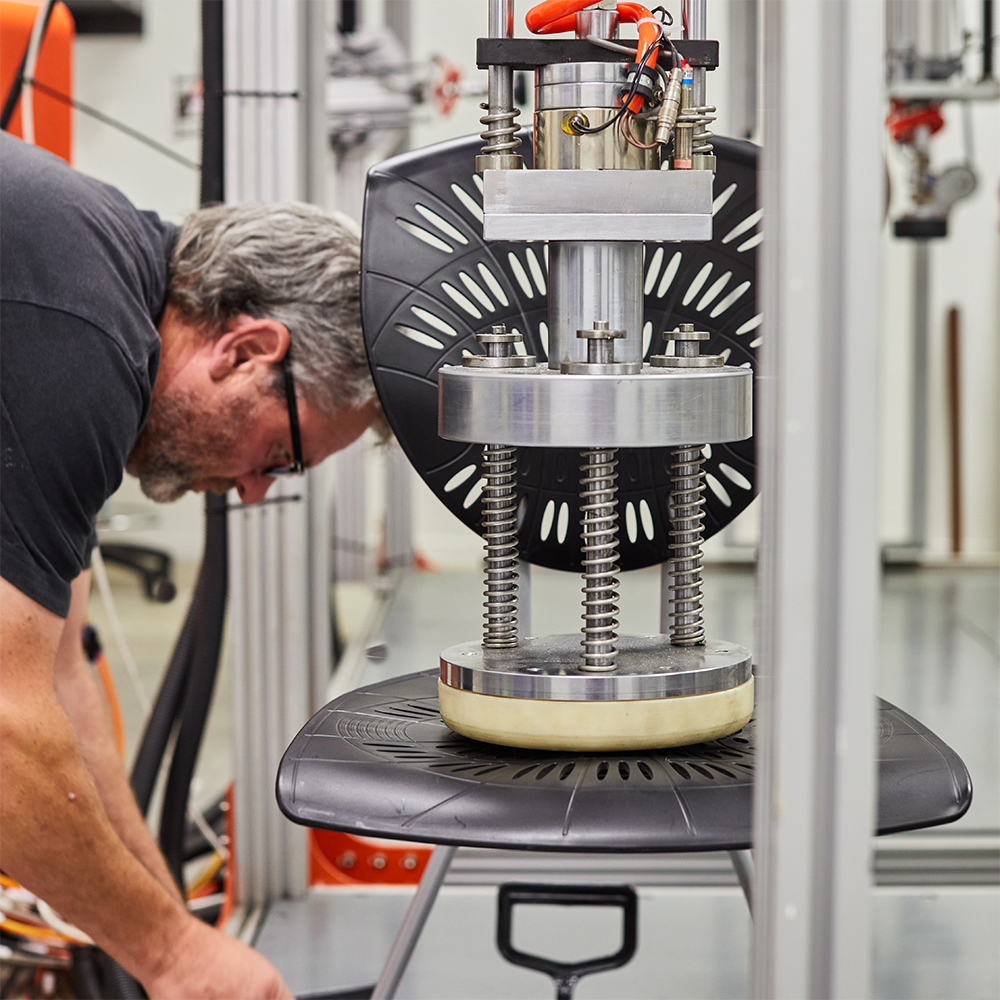
We combine that insight with ergonomics, standards, specialist input, prototyping and user testing.
Our current Research for Design programme looks beyond individual products to understand how teaching, learning and learning environments are changing across the markets we work in.
We review policy and emerging education trends, then test those ideas through conversations with educators and direct observation in schools. That distinction matters because policy can change quickly, while classroom practice and the physical environment often change more gradually.
Recent work has looked at the move towards more explicit teaching in New Zealand and Australia, the different trajectories of markets such as Singapore, Japan and Malaysia, and what those changes could mean for furniture and learning-space design.
The aim is simple: understand the learning environment first, then design for what schools actually need.
The research presented here spans almost two decades of collaboration with the University of Waikato.
The 2006 On-Task Video Analysis Project was an exploratory classroom study that helped shape the questions Furnware continued to investigate. Its findings were mixed, and the researchers noted limitations in the study design. We therefore treat it as an early step in the research journey rather than proof of product performance.
Isaac Martin’s doctoral research builds on his 2021 master’s research, investigating Bodyfurn.Flex in relation to student behaviour, movement, perceptions and academic achievement. The research recorded increased on-task behaviour and reductions in some disruptive behaviours, while finding no significant improvement in academic test results.
Isaac Martin’s PhD thesis is available below. Articles arising from the research will be linked when they are published.
The doctoral research received funding from Callaghan Innovation, with research support from Resero, Furnware’s parent company, including Bodyfurn.Flex chairs and research equipment.
Bodyfurn is one outcome of a much bigger habit: watching how students use learning spaces, testing what we think we know, and designing from what we learn.
"*" indicates required fields